
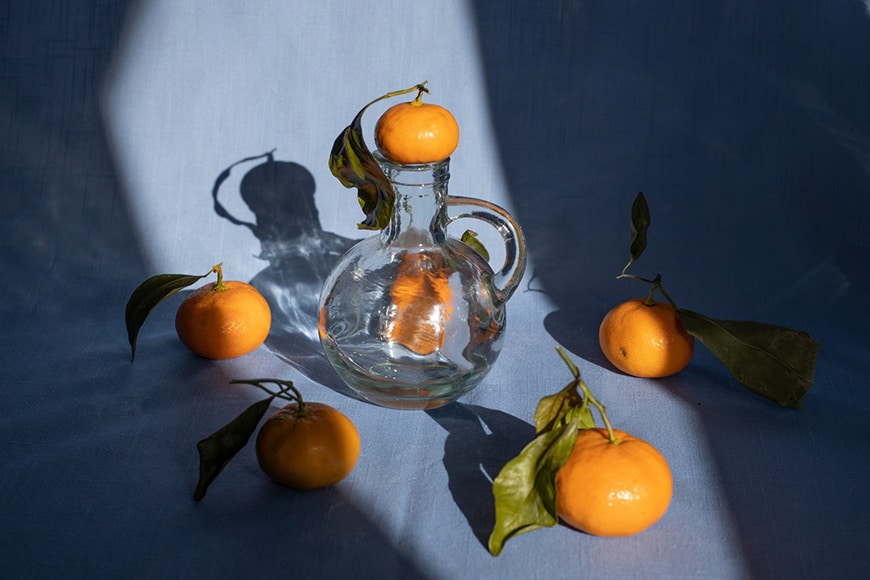
As a photographer, you’re used to capturing the movement, but have you ever paused to witness the timeless beauty of still life photography? Still life product photography is an art form that brings life to inanimate objects, making them appear vivid and appealing. Whether you’re showcasing a luxury item, beauty product, or even food, still life photography can elevate your products and captivate your audience. If you want your product shots to stand out, you need to master a few essential techniques, understand lighting setups, and experiment with creative compositions. I’ve learned that a little knowledge can go a long way in perfecting your still life product photography.
So, let’s get into some tips and techniques that will transform your shots from good to spectacular!
What Makes Still Life Product Photography So Captivating?
Before we dive into the tips, let’s define still life product photography. It’s all about capturing inanimate objects—like beauty products, food, jewelry, or gadgets—in a way that makes them look stunning and desirable.
In this style of photography, you’re in total control of everything:
- Focus on the Product: The product is the star, with all the attention on its details.
- Total Control: From lighting to composition, you create the perfect setup.
- Highlight Function & Beauty: The goal is to make the product look both functional and appealing.
Simply put, still life photography is about turning everyday items into visual masterpieces.
The Power of Lighting: Your Secret Weapon
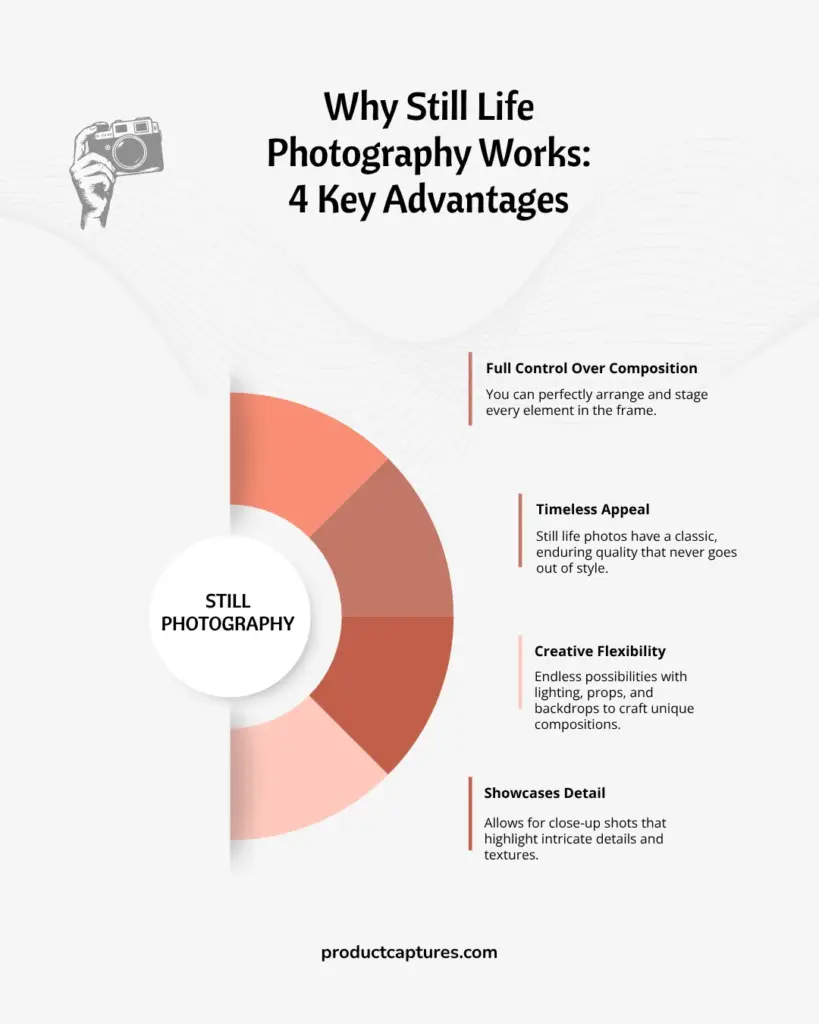
Lighting is the backbone of great still life product photography. How you control light can make or break a shot. You need to experiment with different lighting setups to find what works best for the mood you’re trying to create. Here’s a quick breakdown of still life product photography lighting essentials.
a) Key Lighting
Key lighting is your main light source in a scene. It should illuminate your subject in a way that creates shadows, highlights, and depth. For product photography, this is often a soft light that avoids harsh shadows but still defines the product’s form.
b) Natural Light vs. Artificial Light
Natural light is soft and flattering, making it perfect for products like beauty items or food photography. However, artificial lighting gives you more control, allowing you to adjust brightness, direction, and shadow intensity. Both types of light have their advantages, so choose wisely based on your needs.
c) Soft Light vs. Hard Light
Soft light is your friend if you want a smooth, even look. It’s great for beauty products or anything where you want to reduce harsh shadows. Softboxes are perfect for this. On the other hand, hard light creates sharp, well-defined shadows, which is great for adding drama to your still life photography.
d) Lighting for Still-Life Photography
The key to still life product photography tips and artificial lighting is controlling your light sources. Use diffusers to soften the light or bounce it off surfaces to create a more natural look. Experiment with the lighting setup to find the perfect balance for your product.
Types of Still Life Photography
Credit: alanranger.com
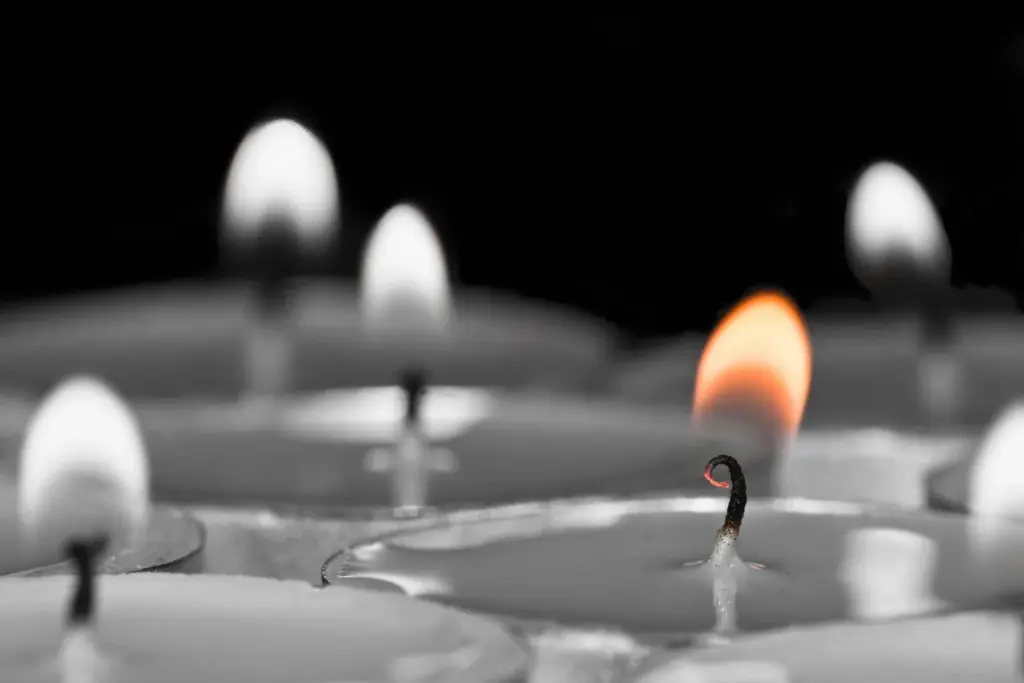
When you dive into still life photography, you’ll realize that there are different types and styles. Each has its own purpose, and experimenting with these can help you discover new techniques.
- Classic Still Life Photography: This traditional form focuses on simplicity, with products often arranged in minimalist compositions.
- Creative Still Life Photography: Here, you have more freedom to play with unique angles, colors, and backdrops. This is ideal for high-end products or when you want to make a statement.
- Lifestyle Product Photography: Combining lifestyle and still life photography can create relatable shots where products are shown in real-world scenarios.
Each type has its strengths and can help showcase your product in different ways.
Getting the Perfect Composition
Credit: iphonephotographyschool.com
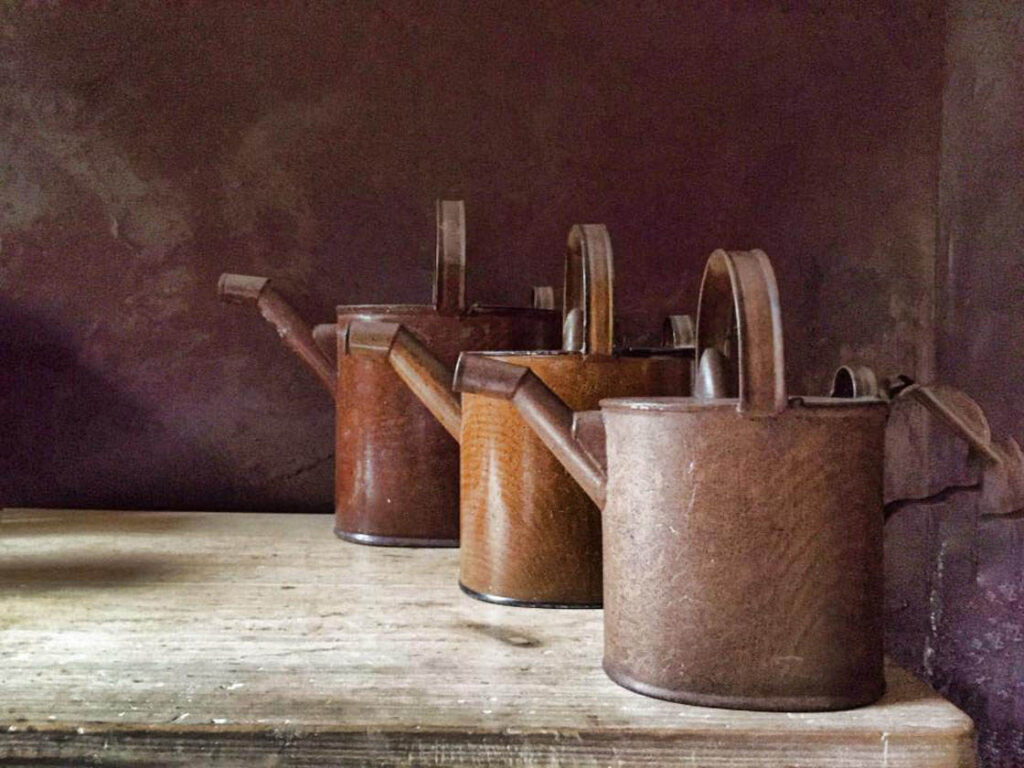
Once your lighting is on point, it’s time to think about composition. A great photograph has a strong composition that guides the viewer’s eye to the subject.
Background Matters
The background should complement your product, not overshadow it. Choose neutral tones or textures that make the product pop. Sometimes a simple white or black backdrop works wonders for product still life photography.
The Power of Props
Props can enhance the story of your product, but make sure they don’t take the focus away from it. For example, a still life photograph of beauty products might include delicate flowers or a minimalistic vanity setup, adding context without distracting from the product.
Use the Rule of Thirds
The rule of thirds is a simple yet effective compositional tool. Imagine dividing your frame into nine equal parts using two horizontal and two vertical lines. Place your product along these lines or at their intersections for a balanced, dynamic shot.
Focus and Depth of Field
Use a shallow depth of field to blur the background, making the product the focal point. This technique is particularly effective for beauty shots or close-ups of smaller items.
Controlling the Light: Artificial vs. Natural
Lighting is essential for capturing stunning still life photos. Let’s break down how you can use natural light and artificial lighting to your advantage:
- Natural Light: If you’re working with food photography or lifestyle shots, natural light is often the best option. Place your product by a window, and watch how the soft light wraps around it. Just keep in mind the time of day; early mornings or late afternoons offer the most flattering light.
- Artificial Lighting: For more control over your shots, studio setups with softboxes, umbrellas, or LED panels work wonders. You can create dramatic contrasts or even mimic natural light by adjusting the strength and direction of your artificial light sources.
By mastering light, you’ll control the mood, texture, and appeal of your product shots.
Taking Product Shots to the Next Level
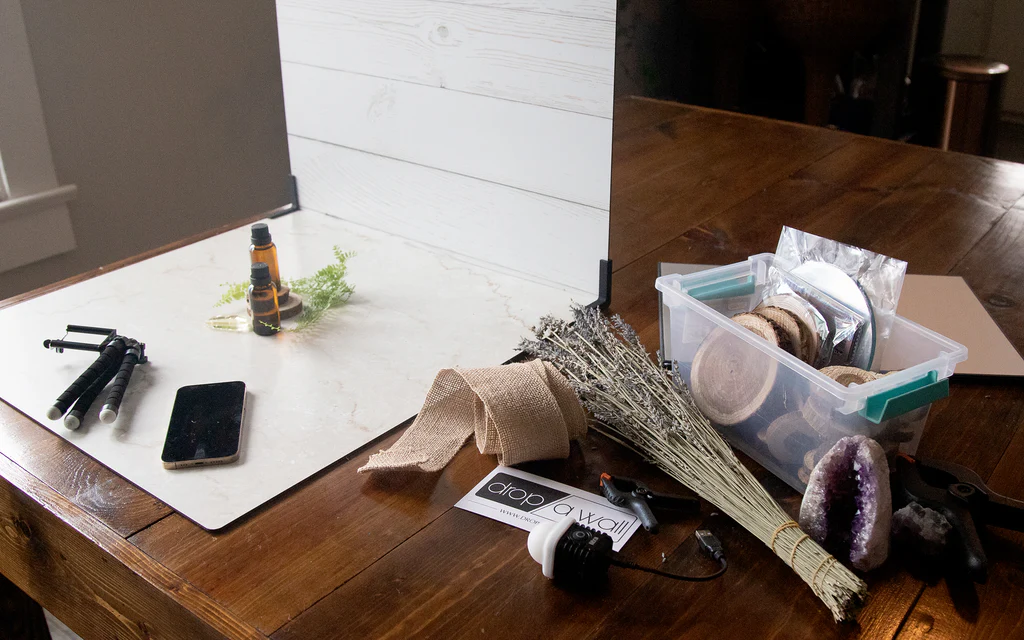
Credit: dropawall.com
If you want to create creative product photography that stops your audience in their tracks, you need to think outside the box. Here are a few ideas to spark your imagination:
i. Experiment with Angles
Don’t just shoot from the same angle every time. Try shooting from above, below, or at a slight tilt. Different angles can completely change how your product is perceived.
ii. Focus on Details
Sometimes, it’s all in the details. Close-up shots of textures, intricate designs, or labels on beauty products can create stunning, high-impact images.
iii. Incorporate Lifestyle Images
Add a personal touch to your still life photography. For instance, incorporating a hand holding a beauty product or a food item styled on a rustic table makes the shot more relatable. This is where lifestyle shots truly shine.
Pitfalls to Steer Clear of in Still Life Product Photography
Here are some common mistakes that could be holding back your still life photography:
- Too much clutter: Keep things simple. A cluttered setup can distract from the product itself.
- Overexposed or underexposed images: Always check your exposure settings, especially when working with natural light.
- Ignoring shadows: Shadows can create depth and contrast. Don’t be afraid to play with them, especially when working with artificial light.
Wrapping Up
Still life product photography gives you the power to showcase every detail of your product—making it come to life in ways that captivate your audience. Master your lighting, play with creative compositions, and watch your photos truly stand out! Ready to take your shots to the next level? Experiment with different lighting setups, get creative with your angles, and elevate your photography game.
Whether you’re capturing beauty products, food, or luxury items, still life photography allows you to turn ordinary products into works of art. Get bold, be creative, and make your products shine like never before!
FAQs
Here’s a quick overview of the most common questions about selecting the ideal background for your product photos!
How do I choose the best lighting for still life photography?
Use soft, diffused light for even coverage. You can experiment with natural light from windows or use artificial sources like softboxes for more control.
What is the best way to arrange products for a still life shoot?
Keep the arrangement simple and focus on balance. Avoid cluttering the frame and use props sparingly to enhance the product.
How do I create a dramatic effect in still life photography?
Use hard lighting or create a high contrast with shadows to add drama to your product shots.
Can I shoot still life photography without a studio setup?
Absolutely! With the right tools like a tripod, a few light sources, and creativity, you can set up a mini-studio anywhere.
What’s the difference between lifestyle and still life photography?
Lifestyle photography places products in real-life contexts, while still life photography focuses solely on the product itself.