
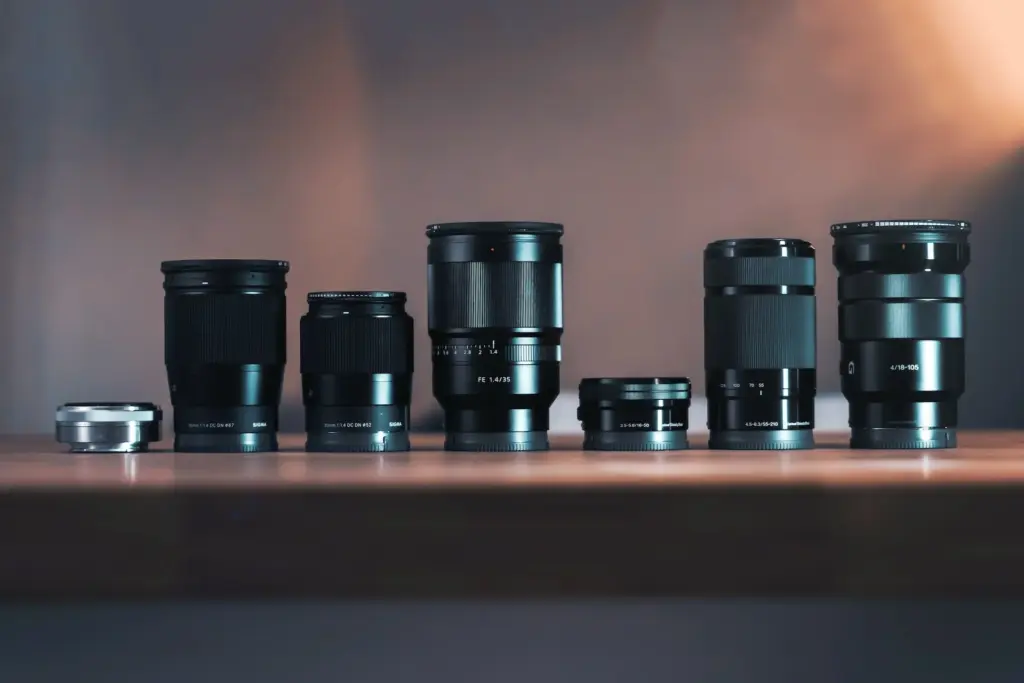
So, you’re getting into product photography—exciting, right? But here’s the thing: choosing the right lens can turn a good shot into a stunning one. It’s not just about snapping a photo; it’s about capturing the true essence of your product in a way that’s sharp, clear, and visually striking. But with so many lens options out there, how do you know which one is the best lens for product photography?
Don’t worry, I’m here to help! Let me walk you through the key factors to consider when choosing the best camera lens for product photography. Whether you’re shooting small accessories or large items, the lens you choose will play a huge role in making your product stand out. So, let’s get started and find the perfect lens for product photography that’ll take your shots to the next level!
What Is Really Important in Product Photography?
When it comes to product photography, the focus is always on showcasing the product in its best light—literally and figuratively. So, what’s really important?
- Clarity and Sharpness: You want every detail of your product to come through in your photos. A sharp, clear image with crisp details makes a huge difference.
- Lighting Control: The lens must work well with your lighting setup, whether you’re using natural light or studio lights.
- Depth of Field: A shallow depth of field isolates the product from the background, which can make the item pop. It’s great for highlighting the product itself.
- Focal Length and Composition: A lens with the right focal length helps you frame your product just the way you want it. Whether you’re doing close-up shots or wide angles, the right lens can help you avoid distortion and ensure proper proportions.
In short, the best lens for product photography is one that offers clarity, flexibility, and ease of use for various product types.
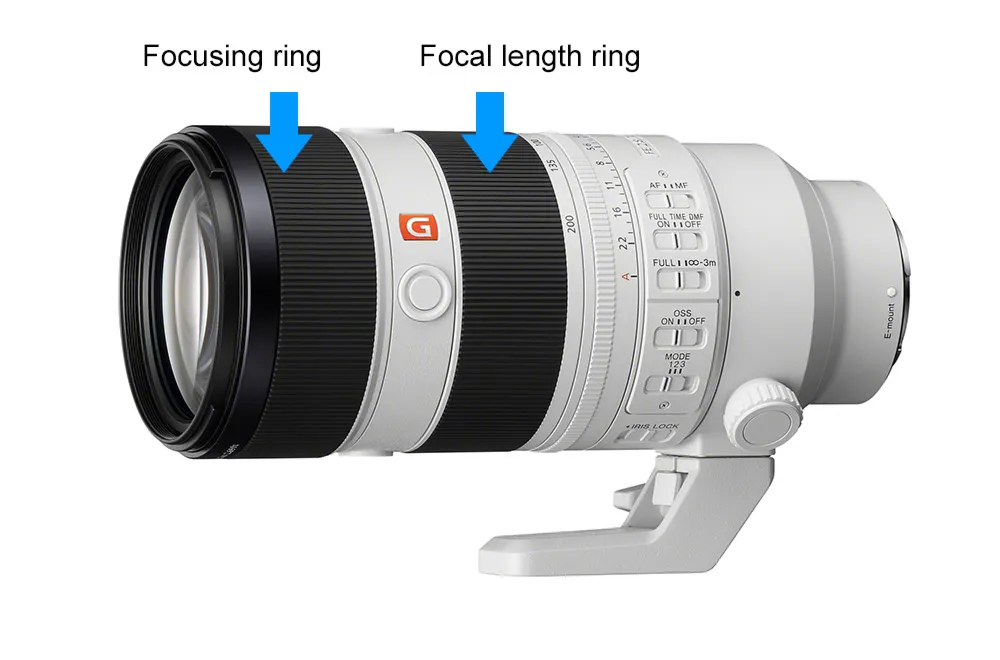
What Are the Features of Lenses, and Which of Them Do You Need the Most?
Credit: parkcameras.com
When choosing the right lens for product photography, several lens features should be top of mind:
i. Aperture Size (f-stop)
A large aperture (a small f-number like f/1.8 or f/2.8) allows more light to enter, which is crucial for low-light situations. A larger aperture also gives you a shallower depth of field, which can help you achieve that professional “blurred background” look. This feature is especially important when focusing on smaller products.
ii. Focal Length
Focal length affects how wide or zoomed-in your shots appear. For product photography, I recommend:
- 50 mm: For general product photography.
- 85 mm or 100 mm: For close-ups and macro shots.
- 24 mm or 35 mm: For wider shots, especially when dealing with larger items.
iii. Macro Capability
If you’re dealing with small products, a macro lens is essential. These lenses allow you to get very close to the product without losing detail, ensuring that even the tiniest features, like texture and lettering, are captured sharply.
iv. Image Stabilization
If you’re shooting handheld or in less-than-ideal conditions, a lens with image stabilization can reduce the blur caused by shaky hands. This is crucial for clear, sharp photos, especially in low-light situations.
v. Build Quality and Autofocus
Good autofocus speeds up the process and allows you to focus on capturing great shots rather than constantly adjusting manually. The lens should also be durable, especially if you’re shooting a lot or in a studio setting.
Which Lens Settings Should You Choose?
Credit: productcaptures.com
When using the best lens for product photography, here are the most important settings to keep in mind:
- Aperture (f-stop): As mentioned earlier, a wider aperture (lower f-stop like f/1.8 or f/2.8) will give you a shallow depth of field, perfect for focusing on the product and blurring the background.
- Shutter Speed: Keep your shutter speed at a higher rate, such as 1/125 or 1/200, to prevent motion blur—this is especially important in product photography, where stillness is key.
- ISO: Keep the ISO as low as possible (around 100-200) to avoid introducing grain or noise into your images, unless you’re shooting in low light, in which case you can increase it.
Pro Tip
If you’re unsure about manual settings, many modern cameras have a “product” mode or can be set to “aperture priority,” which lets you control the f-stop and allows the camera to automatically adjust other settings for you.
Most Frequent Issues with Lenses for Product Photography
Even with the best camera lens for product photography, there are some common issues photographers face:
- Lens Distortion: Some lenses, especially wide-angle ones, can cause distortion where the product may appear stretched or warped. To avoid this, I recommend using a lens with minimal distortion, like an 85mm or 50mm prime lens.
- Lighting Challenges: Even the best lens can’t work its magic without proper lighting. Poor lighting can lead to shadows, highlights, or reflections that distract from the product itself. Try to shoot in a controlled environment with soft, diffused light.
- Depth of Field: Too shallow a depth of field can blur parts of the product that you need to be sharp. Conversely, too deep a field can distract the viewer with unnecessary background details. Balance is key!
- Reflections and Glare: Products with shiny surfaces (like jewelry or electronics) can often reflect light, creating unwanted glares. A lens hood or polarizer filter can help with this issue.
What Is NOT Important in Your Lens Choice?
Credit: digital-photography-school.com
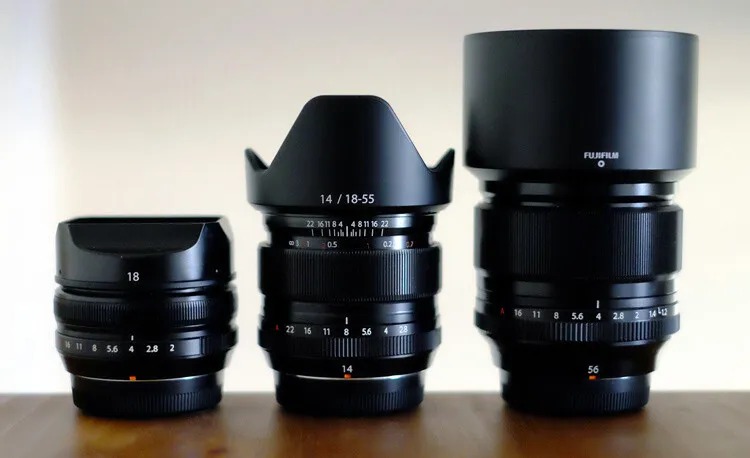
When it comes to the best lens for product photography, there are a few features that, although nice to have, are not always necessary:
- Zoom Lenses: While zoom lenses offer versatility, they often compromise on sharpness, especially at the edges. For most product photography, I recommend using prime lenses, which offer better sharpness and clarity.
- Fancy Special Effects: While some lenses come with fun features like bokeh control, they’re not essential for product photography. Stick to the basics of sharpness, aperture, and focal length.
- Brand Name: While brand names like Canon, Nikon, and Sony are trusted, don’t get too caught up in the label. Some third-party lenses from companies like Sigma and Tamron are equally as good for product photography, often at a lower cost.
How to Choose a Lens? – A Step-by-Step Guide
Picking the right lens is easier than you think! Follow this simple guide to find the perfect match for your product photography needs.
Step 1: Know Your Product Type
The first thing to think about is what type of product you’re photographing. Are you shooting jewelry, electronics, or large items like furniture? For small products, you’ll want a macro lens, while larger items may require a lens with a wider focal length.
Step 2: Consider the Lighting Conditions
Will you be shooting indoors with controlled lighting or outdoors? If you’re shooting in natural light, a lens with a wide aperture and fast autofocus is ideal.
Step 3: Think About Composition
For close-up shots, you’ll want a lens with a longer focal length (like 85 mm or 100 mm). For wider shots of larger products, a shorter focal length like 24 mm or 35 mm will give you a good perspective.
Step 4: Decide on Budget
There are lenses available for almost every budget. If you’re just starting out, you don’t need to invest in the most expensive option. Consider lenses that give you the most value for your money.
Recommended Lenses for Product Photography
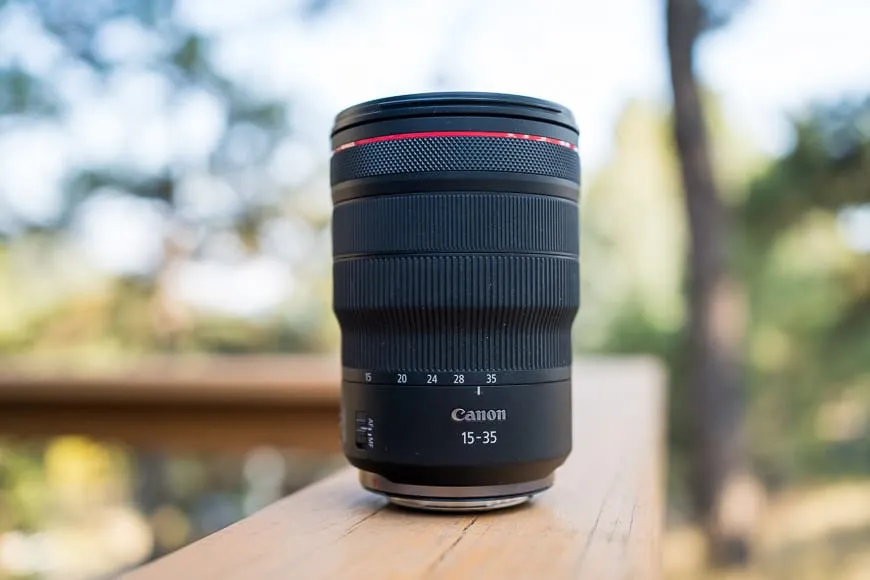
Credit: shotkit.com
So, what’s the best lens for product photography? Below are my top recommendations:
a. Canon EF 50mm f/1.8 STM
- Affordable and great for most product types.
- Sharp images, excellent depth of field control.
- Perfect for small to medium-sized products.
b. Sigma 105mm f/2.8 EX DG OS HSM Macro
- A great macro lens for close-up shots.
- Ideal for capturing small details in products like jewelry or cosmetics.
c. Nikon AF-S 60mm f/2.8G ED Micro
- A fantastic macro lens for Nikon users.
- Excellent sharpness and beautiful bokeh.
d. Tamron 90mm f/2.8 Di Macro 1:1
- Affordable alternative to the higher-end macro lenses.
- Fantastic for detailed shots of small products.
e. Sony FE 90mm f/2.8 Macro G OSS
- A top choice for Sony shooters.
- Image stabilization and sharp focus for small product photography.
Ending Remarks
Choosing the best lens for product photography depends on several factors, including product type, lighting, and your personal preferences. Remember, clarity, sharpness, and appropriate depth of field are your top priorities. Don’t overcomplicate things by focusing on features that aren’t essential for your needs.
Whether you’re shooting small items or large products, there’s a perfect lens for every situation. By understanding the features you need and carefully considering your options, you can make the right decision. Happy shooting!
For more insights on product photography, check out Product Captures.
FAQ’s
Here’s a quick look at some of the most frequently asked questions about choosing the best lens for product photography.
Which lens is best for product photography?
A 50mm lens (f/1.8 or f/2.8) is great for general shots, while macro lenses (like the Sigma 105mm f/2.8) are ideal for small products.
What‘s a great lens for photography within budget?
The 50mm f/1.8 lens offers great image quality at an affordable price, making it ideal for general product photography.
Which lens is best suited for small product photography?
A macro lens, such as the Tamron 90mm f/2.8, is perfect for detailed shots of small items like jewelry.
Is a zoom lens good for product photography?
While versatile, zoom lenses may not be as sharp as prime lenses, making primes a better choice for high-quality shots.
What is the best lens for large product photography?
For larger items like furniture, go for a 24 mm or 35 mm lens to avoid distortion.