Jewelry is often considered one of the most challenging subjects to photograph, mainly because of its reflective nature. To truly tell the story behind each piece, you need to approach jewelry photography with precision and skill. From experimenting with various backgrounds to selecting the right props, capturing the fine details is essential. If you’re looking to take your jewelry photography to the next level, this blog covers everything you need to know about photography for jewelry to elevate your shots and make your pieces shine.
The Importance of Photography for Jewelry
The visual presentation of your jewelry product plays a crucial role in the buying decision. High-quality, well-lit photos of jewelry can elevate the perceived value of your pieces and create a sense of trust with your audience. In fact, stunning jewelry photography is one of the most effective ways to stand out in a crowded market, whether you’re selling online or showcasing designs at an exhibition.
In this section, we’ll explore the importance of good product photography services for jewelry and watches and how they impact your business. Let’s break down the techniques and tools required to take your product photography for jewelry to the next level.
Key Photography Techniques for Jewelry
Credit: aupreciousmetals.com
To capture the essence of jewelry, you need to focus on the finer details that make each piece special. By mastering key photography techniques, you can showcase the intricate designs and beauty of your jewelry in every shot.
Lighting
Well, what good does it bring if your gemstones are not shown in the best possible light? Lighting is the most critical element of photography for jewelry. Jewelry is reflective, and poor lighting can result in dull, lifeless images.
- Natural Light: If you’re working with natural light, try shooting near a window where soft light enters. The golden hours, just after sunrise or before sunset, offer diffused lighting, which works wonders for macro photography of jewelry.
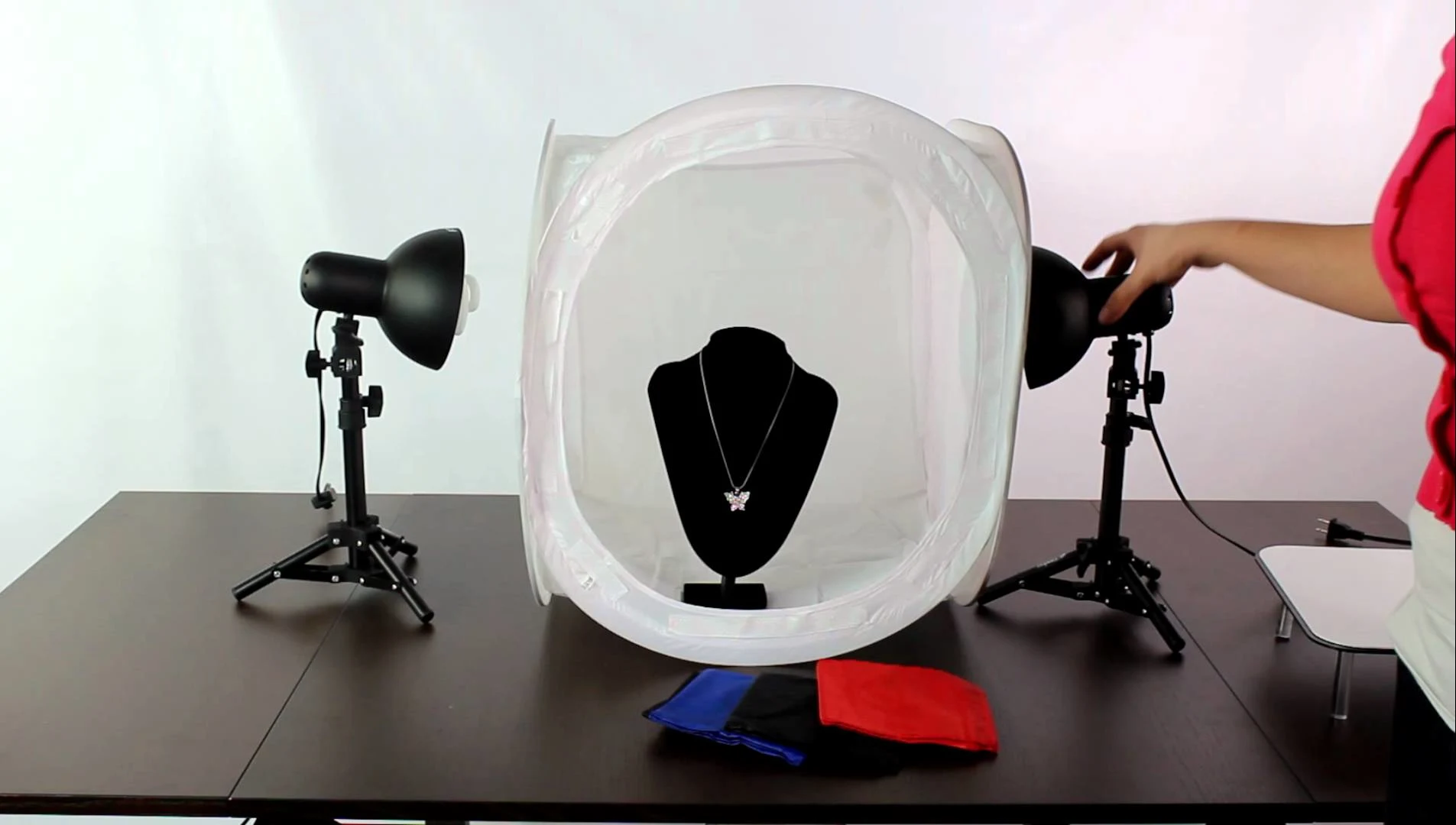
- Artificial Light: For consistent results, especially indoors, using LED lights or a lightbox can help. Softboxes, ring lights, or light sources positioned at 45-degree angles to the jewelry can eliminate harsh shadows and bring out the jewelry’s details.
- Avoiding Shadows: Properly diffused light will minimize unwanted shadows, making your jewelry appear crisp and clear.
Camera Settings
Having the right camera settings on your camera is essential for achieving sharp, detailed shots.
- Aperture: A smaller aperture (higher f-number) ensures that your jewelry remains in focus from front to back, maximizing the depth of field.
- ISO: Keep your ISO low (100-400) to reduce noise and keep the image quality high.
- Shutter Speed: A slow shutter speed (around 1/125) is typically perfect for jewelry, especially when shooting in controlled environments with a tripod.
Focus
Focus is crucial. The details in jewelry product shots, such as diamonds, gemstones, and intricate designs, need to be crisp and sharp. Use macro lenses or a camera with a high resolution to capture all the fine details. Choose the best lens for jewelry photography, as it will allow you to focus on the tiny elements that make the piece unique.
Want your jewelry showcased in stunning, high-quality images? Check out our E-commerce Photography Service to bring your products to life and elevate your brand’s visual appeal today!
Equipment for Jewelry Photography
Credit: digi5studios.com
Let’s discuss what you need for an ideal jewelry photography session.
Camera
To take high-quality jewelry photos, you don’t need an expensive camera, but it’s important to have one with good resolution. A DSLR or mirrorless camera with the ability to change lenses will give you flexibility. Cameras for jewelry are best if they provide high megapixel counts and detailed resolution, allowing you to capture every intricate design.
Lenses
The best lens for jewelry photography is a macro lens. It allows you to focus on tiny details with incredible clarity. A 100mm or 50mm macro lens will give you sharp close-up shots of your jewelry. A macro lens USM (Ultra-Sonic Motor) offers quick and precise focusing, which is especially useful for close-up shots.
Tripod
A sturdy tripod is essential for keeping your camera steady, especially when working with slow shutter speeds. This ensures that your shots are sharp and your focus is precise.
Lighting Equipment
Investing in LED lights or a macro photography lighting setup can dramatically improve your results. A lightbox or softboxes will provide even lighting, reducing shadows and enhancing the sparkle of your jewelry.
Lighting Setups for Jewelry Photography
And here are a few quick notes on lighting setups.
Natural Light Setup
If you’re using natural light, shoot near large windows with indirect sunlight. Position the jewelry close to the window, but avoid direct sunlight to prevent harsh shadows and overexposure. The light source should be soft to maintain the elegance of your jewelry.
Studio Lighting Setup
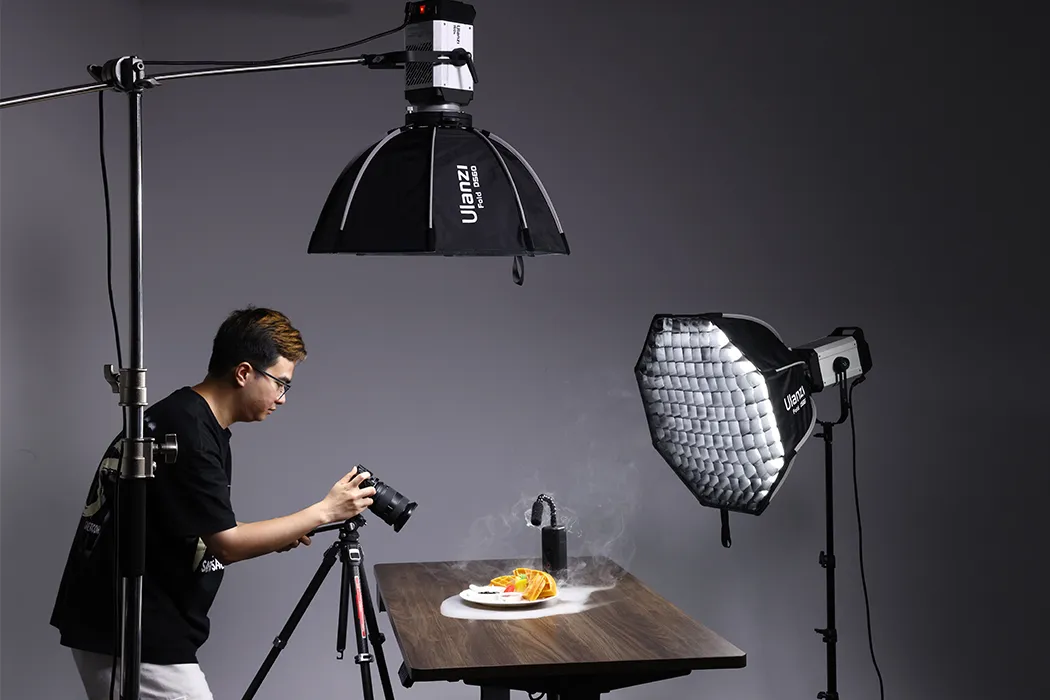
A lighting setup with softboxes or ring lights can provide uniform lighting, perfect for product photos. Place your jewelry in the center and use a lightbox or two lights positioned at 45-degree angles to ensure even light distribution.
DIY Lighting
Well, DIY setups can work just fine. Use white sheets or towels to diffuse the light, and bounce light off a white card to reduce harsh shadows. This technique is especially helpful for good camera setups for jewelry photography when professional lights are not available.
Backlighting
Last, but not least, backlighting can create a beautiful halo effect, especially for pieces with transparent or reflective materials. Use a light source behind the jewelry to create dramatic shadows and highlight its shape.
Background Ideas for Jewelry Photography
Credit: oberlo.com
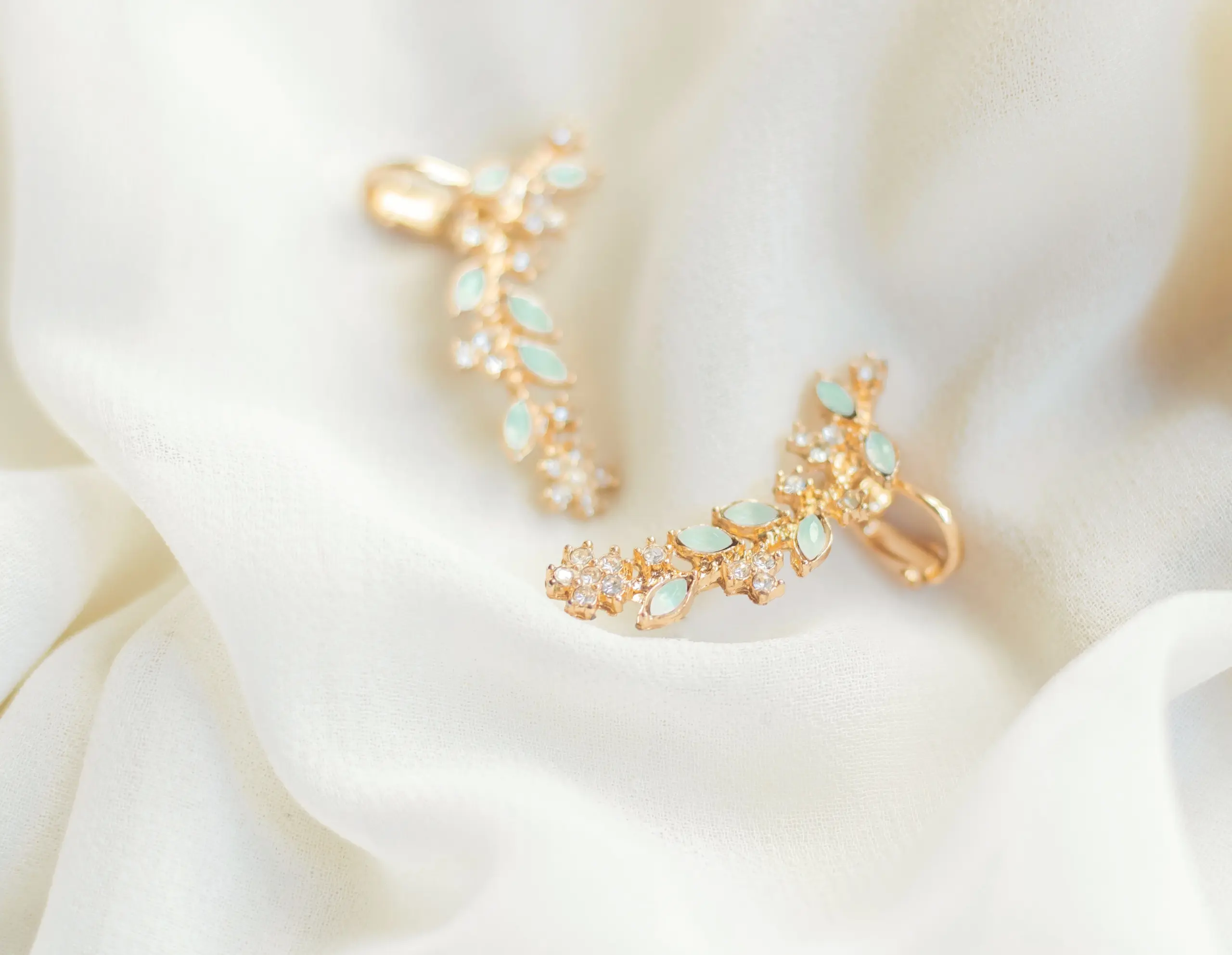
Choosing the right background is crucial to making your jewelry stand out. Here’s what you should consider.
White Background
A white background is classic and works well for product photography. It provides a clean and consistent look, allowing your jewelry to stand out. If you’re aiming for professional jewelry shots, white backgrounds are simple and effective for online jewelry sales.
Dark Background
A dark background can make your jewelry pop, especially for gold or silver pieces. It gives a high-contrast look that highlights the details and makes the jewelry shine. This is an ideal choice for showcasing luxury or high-end jewelry product shots.
Textured Background
Textures like marble, wooden surfaces, or linen can add elegance and depth to your jewelry shots. Be careful, though—textures should enhance, not overwhelm, the jewelry. Choose a background that complements the piece without stealing the spotlight.
The Jewelry Photography Process
Let’s now talk about the steps that will help you out in seamlessly capturing the beauty of your products.
Setting Up
Start by choosing a location with good lighting, or set up your lighting setups. Place your jewelry on a clean, neutral background, and adjust the position for the best angle. Use your camera to frame the shot, ensuring that your camera settings are optimal for the best results.
Taking the Shot
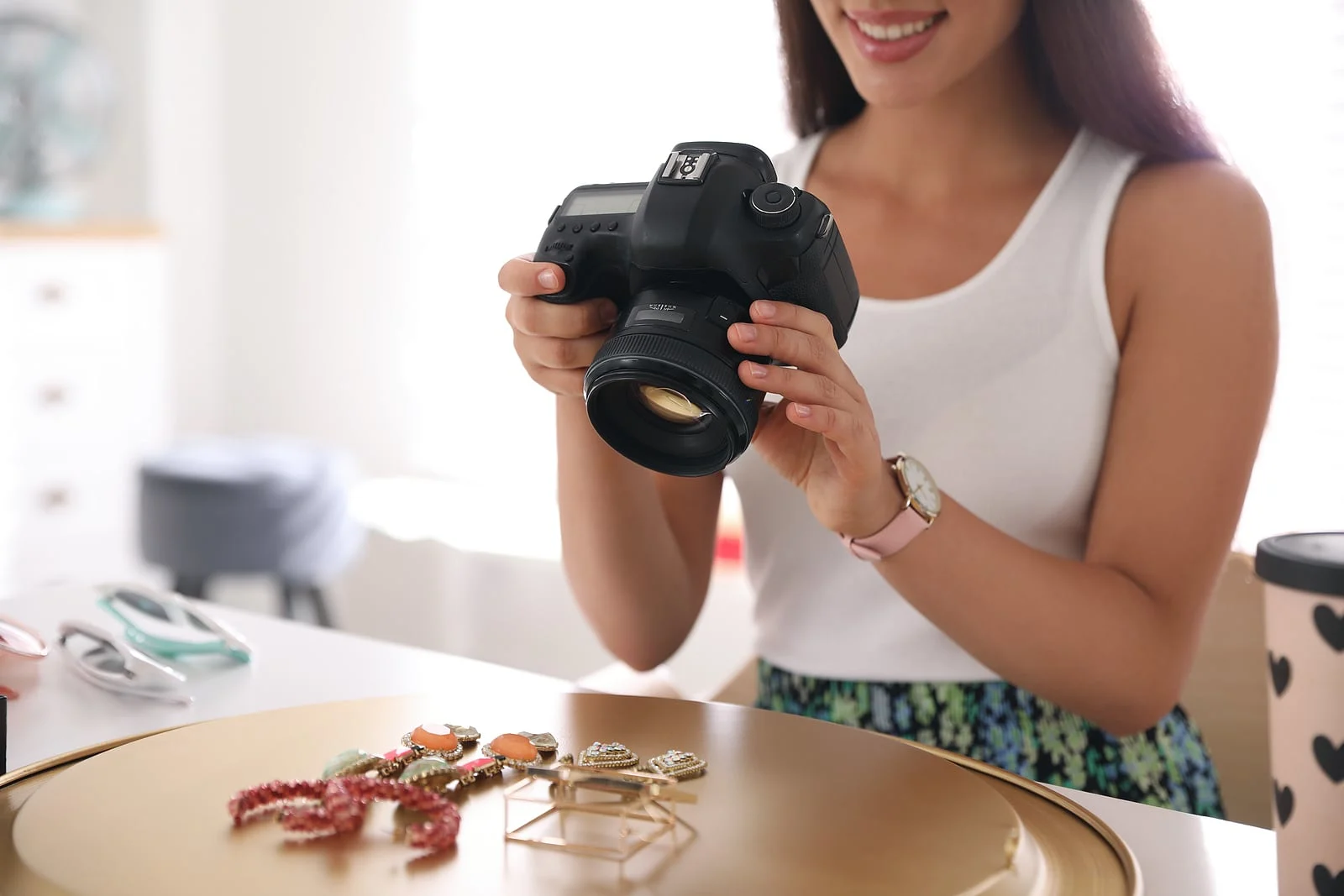
Ensure your camera is steady with the help of a tripod. Focus on capturing the fine details, such as gemstones, clasps, and settings. Try different angles to see what highlights the jewelry’s best features. Don’t forget to use a macro lens for the sharpest details.
Reviewing and Retouching
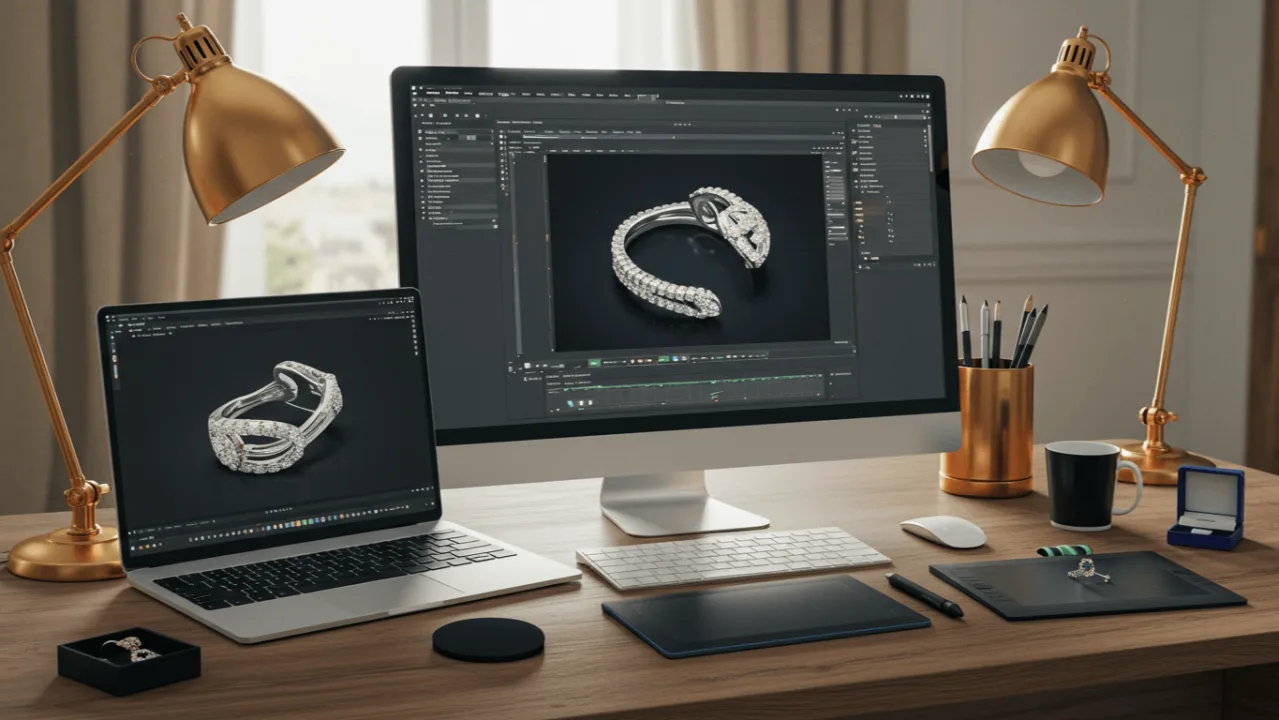
After capturing the photos, go through them and select the best ones. You may need to do some minor retouching—removing dust, adjusting color balance, or brightening certain areas. Editing software like Adobe Lightroom or Photoshop will help bring out the beauty of the jewelry even more.
Retouching Jewelry Photos
Credit: linkedin.com
Here are a few tips for editing and retouching your photos.
Color Correction
Jewelry should appear as close to real life as possible. Color correction is key to adjusting the color balance of gemstones or metals, especially if lighting conditions altered their appearance during the shoot.
Removing Imperfections
Sometimes, dust or fingerprints can appear on jewelry, especially in close-up shots. Use editing tools to remove these imperfections, keeping the photo looking professional.
Enhancing Shine
Jewelry is meant to shine. Enhance reflections or highlights subtly, but avoid overdoing it. Too much shine can make the photo look unnatural and detract from the jewelry’s true elegance.
Tips for Better Jewelry Photography
- Use a Macro Lens: This helps capture the intricate details of jewelry with clarity.
- Focus on the Details: Capture shots of the gemstones, clasps, and settings.
- Shoot at Different Angles: This will provide a variety of perspectives and allow customers to see every aspect of the jewelry.
- Use a Tripod: This will help you avoid blurry shots and ensure sharp focus.
- Edit Your Photos: Make necessary adjustments in post-processing to bring out the best in your images.
Final Note
Photography for jewelry is an essential skill for anyone in the jewelry business. With the right lighting, camera equipment, and macro photography techniques, you can create stunning images that showcase your pieces in the best possible way. The key is to focus on the details and make the jewelry shine through every shot.
Frequently Asked Questions
Here are the answers to your frequently asked questions.
How do I set up my lighting for jewelry photography?
Use soft, diffused light to avoid harsh shadows. A lightbox is an excellent tool for this.
What camera is best for jewelry photography?
A DSLR or mirrorless camera with a macro lens is ideal for capturing every detail.
Can I photograph jewelry with a smartphone?
Yes! With the right lighting and setup, smartphone cameras can produce excellent jewelry photos.
What background is best for jewelry photography?
A white background works well for e-commerce jewelry photos, while dark or textured backgrounds can create dramatic effects.
How do I avoid reflections in jewelry photos?
Use polarizing filters or adjust your lighting setup to minimize reflections on shiny surfaces.